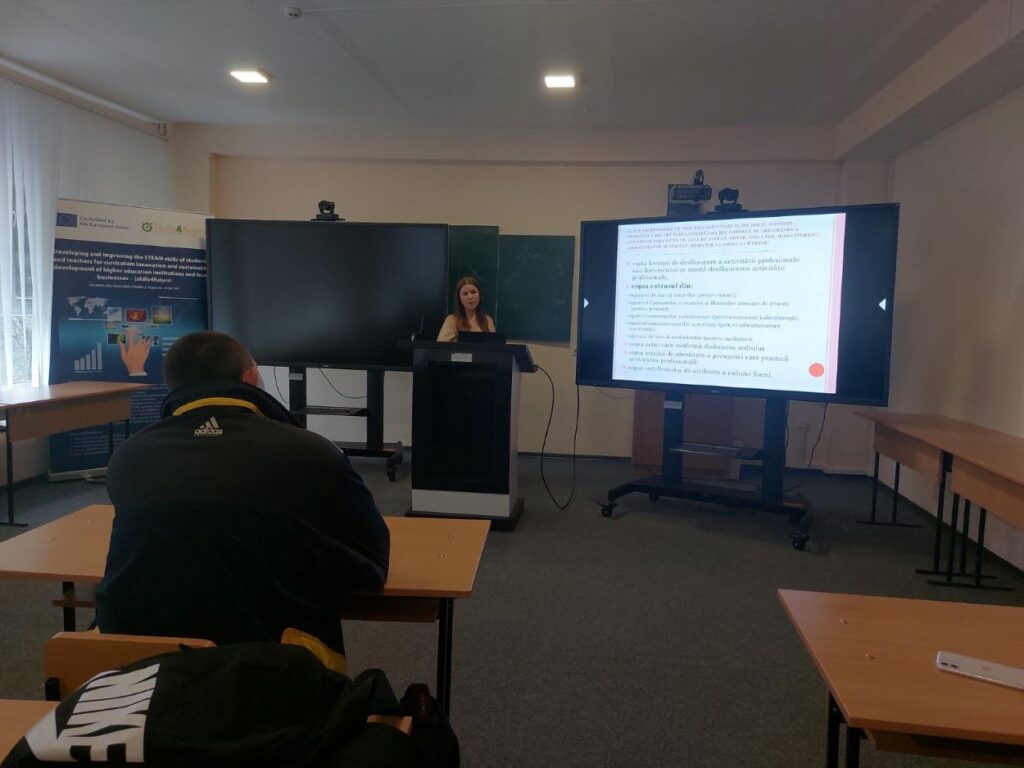
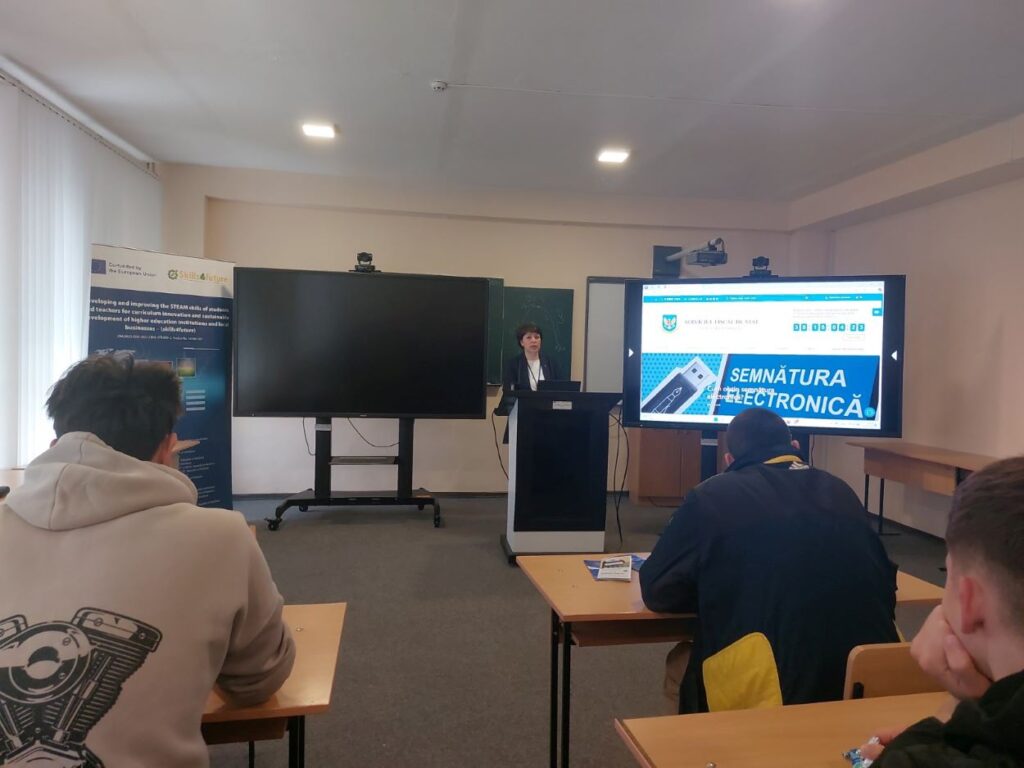
On April 7, 2025, the STEAM Center within the Faculty of Economics, Engineering and Applied Sciences hosted the Multiplication Event on the Development of STEAM Competencies: with the theme “Developing STEAM Competencies: Aligning the Curriculum with Local Development Needs for Sustainable Social Growth”. This event was organized in the context of the implementation of the ERASMUS-EDU-CBHE project entitled “Developing and improving STEAM competences of students and teachers for curricular innovation and sustainable development of higher education institutions and local businesses”.
The main goal of the event was to promote and disseminate the project results, as well as raise awareness of the importance of STEAM education in addressing the challenges faced by local communities. The event also aimed to build and strengthen a collaboration network at local and national level, which would sustainably support the implementation and subsequent capitalization of the results obtained within the project.
During the event’s thematic sessions, participants – representatives of higher education institutions, local authorities, the business environment – discussed ways in which the university curriculum can be adapted to better meet the needs of the labor market and the local community, thus contributing to sustainable economic and social development.
An important moment of the event was the intervention of Ms. Glinjanu Ana, specialist within the National Social Insurance House of the Republic of Moldova, Cahul territorial subdivision. In her presentation, she provided essential information on the legal basis regulating the registration of economic agents on the CNAS platform, as well as the ways to manage their profile.
Ms. Cravcenco Galina, also complemented the discussions with useful information regarding the economic and fiscal responsibility of local businesses, while also highlighting the current problems entrepreneurs face in the digital reporting process. Her intervention brought to the forefront the administrative and technological challenges of the business environment, emphasizing the need for institutional support and continuous training to strengthen entrepreneurial capacities at the local level.
The event concluded with a networking session and interactive discussions, which provided participants with the opportunity to explore potential partnerships and ideas for future collaboration in the field of STEAM education and sustainable local development.